


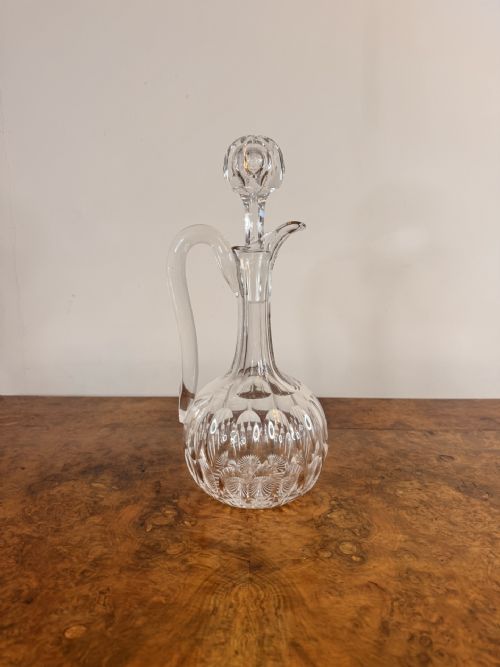
Antique Decanters
A stoppered glass vessel for bringing wine or spirits from cask or bottle to the table, along with the cased and locking stands built to hold them.
Antique Decanters
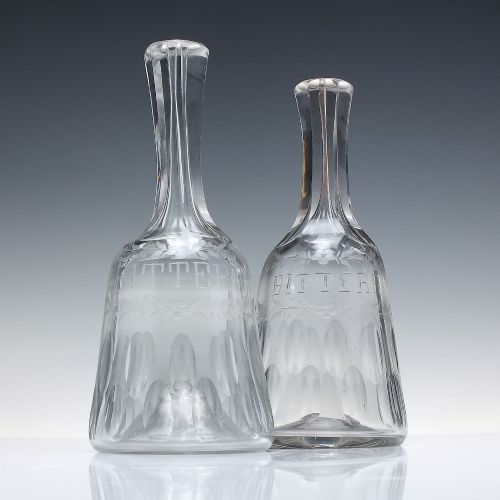
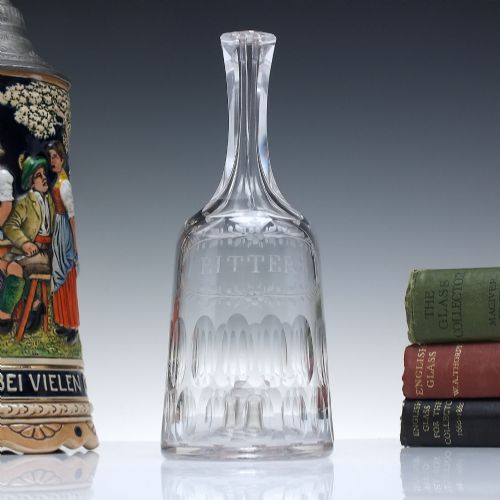
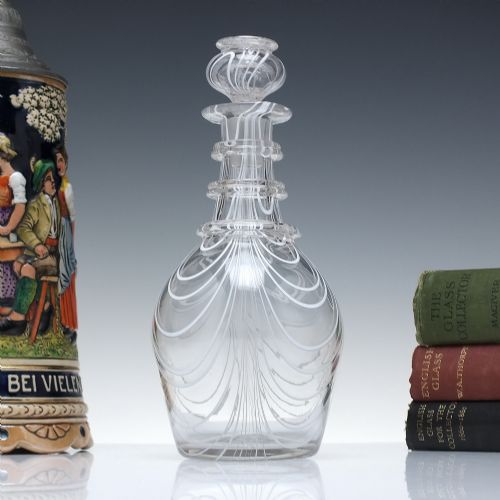
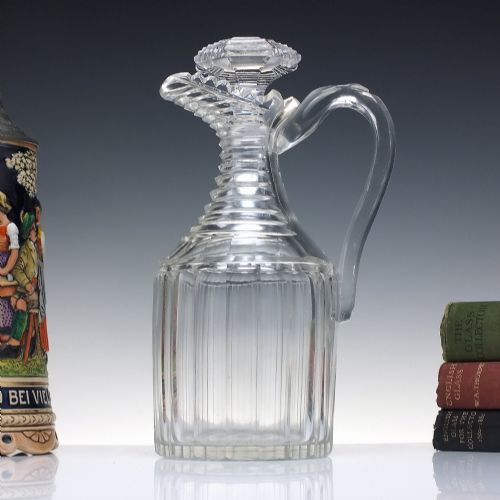
The stoppered decanter settled into its familiar shape during the 18th century, as a way of getting wine or spirits out of the cask and onto the table. Cased and locking stands followed once spirits became a household staple, and both sit in this category, along with claret jugs, carafes, serving bottles and liqueur sets.
The piece you'll meet most often is a clear cut glass decanter of the 19th or early 20th century, sold on its own or as one of a pair. "Glass" appears in 742 of the titles on Sellingantiques, "cut" in 285, and 256 titles name a pair. Victorian is the commonest period label, with Georgian and Edwardian behind it.
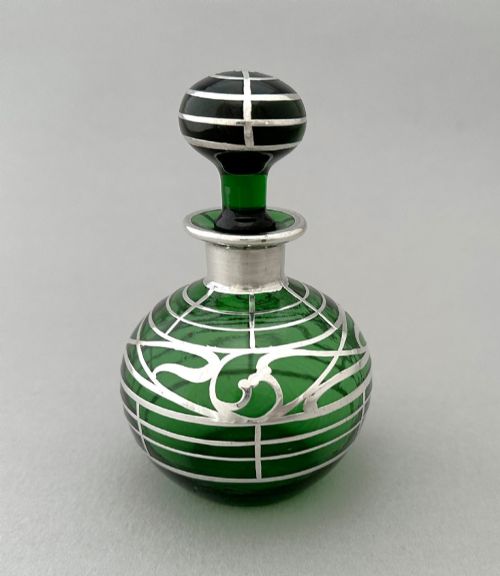
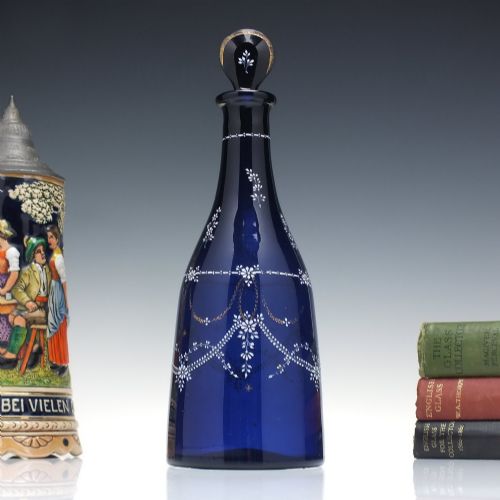
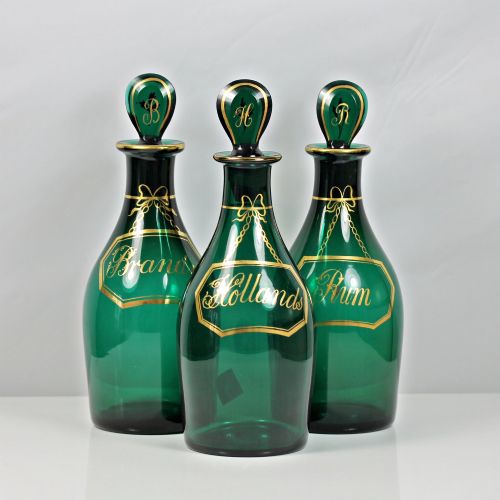
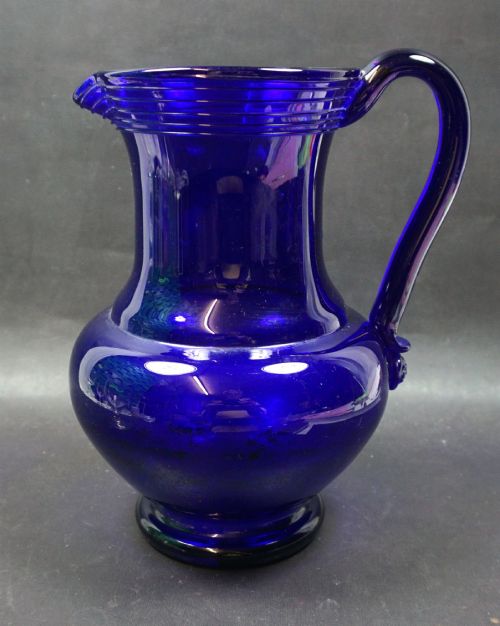
Beyond the clear cut glass, coloured work runs right through the archive: Bristol blue and Bristol green, amethyst, amber, cranberry, ruby, milk, vaseline and uranium. Bristol colours alone account for 87 titles, mostly Georgian and early Victorian, and many of the mell decanters are in these colours.
The dates dealers enter run from 1750 to 1960 and fall into two humps. One is the Georgian, Regency and Victorian glass; the other is a solid 1930s block, with 138 listings from that decade, taking in Art Deco enamelled and geometric sets, a good many of them Czech. Much of the dating is banded rather than exact, so "19th Century", "Georgian" or "c1830" stand in for a decade.
Where The Range Widens
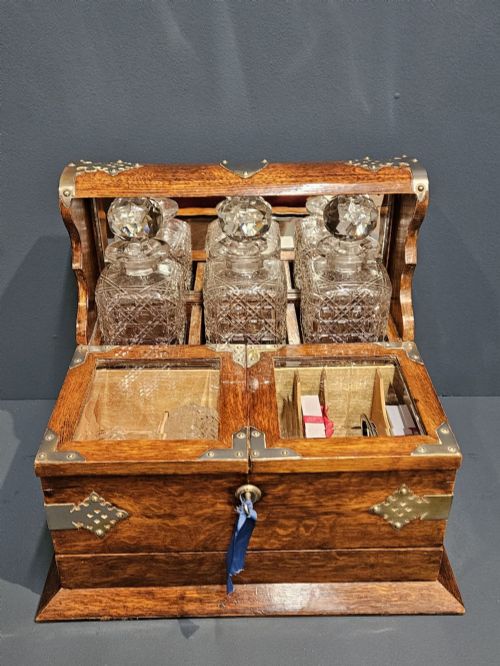
Cabinetwork is what lifts a listing furthest. Tantaluses and decanter boxes, 94 titles naming a tantalus, occupy the whole upper reach of the sampled range, in oak, burr walnut, rosewood, coromandel and flame mahogany. A plain single decanter with no frame sits at the other end.
Numbers count next. Pairs stand above singles, and sets of three and four above pairs, along with the occasional graduated set. So does decoration: engraving, etching, enamel, gilding and cut-to-clear overlay all sit higher than the plainest clear glass, and colour or a silver collar or mount does the same, silver appearing in 142 titles.
Attribution matters too. Where a title names a glasshouse or a designer, the piece tends to fall in the upper half of the range, though those names come from single dealers rather than any pattern across the category. Origins outside England surface only as one-offs, a Spanish decanter, a Bohemian one enamelled for the Persian market, Swedish and Dutch 18th-century pieces, against a field that is overwhelmingly English.
Antique Decanters Retail Price Guide 2026
Typical UK retail prices for decanters, calculated from the Sellingantiques database of over a million retail prices indexed since 2003. This retail price guide relies exclusively on Sellingantiques data; no external sources or auction records are used, so the figures do not describe the wider market.
Novelties come round rarely. A decanter modelled as a dog, an owl decanter, a monkey claret jug, a pub brandy fountain and a bar whisky dispenser each turn up once.

The Antique Decanters Glossary
- Stopper
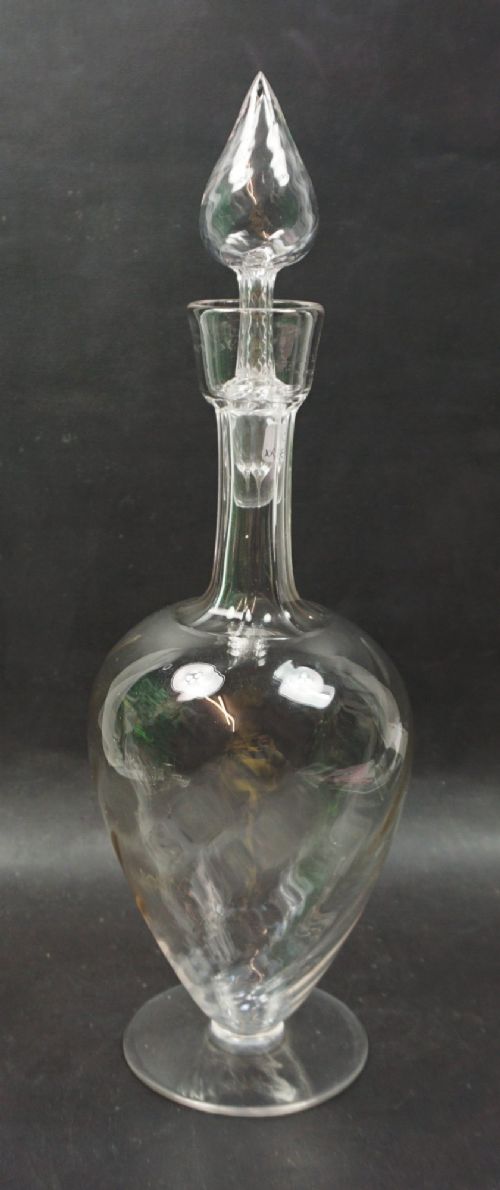
- The fitted glass or metal plug. Titles distinguish mushroom, star-cut and matching stoppers.
- Three ring / two ring
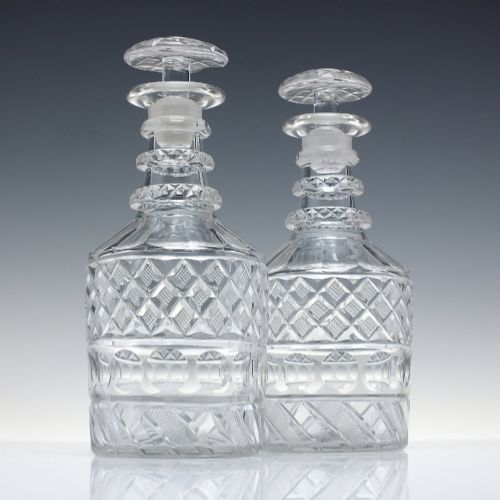
- Moulded rings round the neck that give a grip when pouring. Dealers use the count as a style and dating label.
- Tantalus
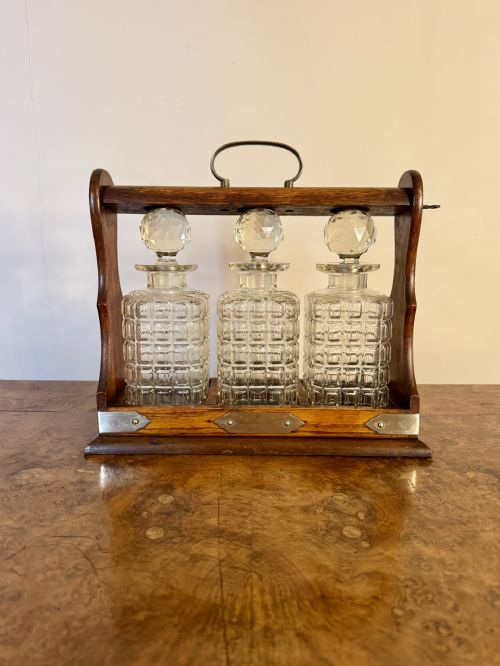
- A frame or case, often oak, holding two to four decanters, usually with a lock. Ninety-four titles name one.
- Ships decanter
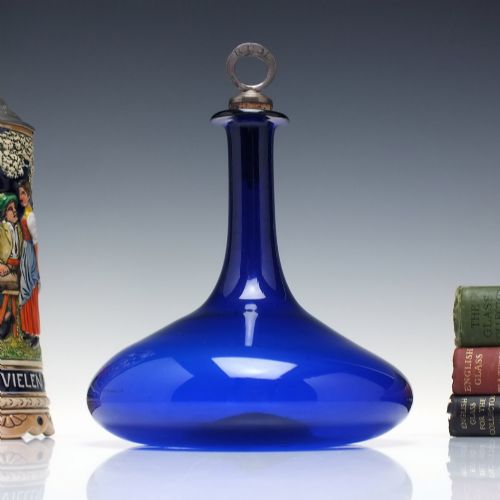
- Broad-based form with a low centre of gravity, meant to stay put on a moving table. Named in 29 titles.
- Mell
- A personal spirit decanter, named in 43 titles and barely used elsewhere in the glass trade. Most are in Bristol blue, green, amber or amethyst.
- Cave a liqueur
- A fitted box holding decanters with matching glasses. Turns up a couple of times in the archive.
Antique Decanters: Frequently Asked Questions
What shapes do Georgian decanters come in?
Titles from the Georgian and Regency end name the taper, a plain conical body, and the Prussian, barrel-shouldered and broader at the base. Neck rings, two or three, are common on both.
Bottle-shaped blown decanters with little or no cutting are the plainest of the Georgian entries. Cut and engraved work becomes far more usual as the archive moves into the Victorian decades.
Are pairs more common than singles?
Singles dominate. Roughly one listing in five names a pair, which leaves the large majority as individual vessels.
Larger groupings do appear. Sets of three and four turn up, along with a graduated 19th-century set, a collection of fifteen flagon decanters, and a fitted box holding thirteen cut glass decanters.
What is a tantalus?
A frame or case made to hold decanters, commonly two to four of them, usually fitted with a lock. Oak is the wood named most often, with burr walnut, rosewood, coromandel and flame mahogany also appearing.
Ninety-four titles name a tantalus, and a further 44 name a box or stand. As a group they sit at the top of the range.
Do Art Deco decanters appear often?
Yes, and in quantity. The 1930s are one of the two dates that dominate the archive, with 138 listings from that decade and 124 titles using the Art Deco label.
Czech glass is a strong presence within that block, in enamelled and geometric decanter sets, often with matching glasses.
How is coloured decanter glass described?
Bristol blue and Bristol green are the names that recur most, across 87 titles, and they cluster in the Georgian and early Victorian material.
Amethyst, amber, cranberry, ruby, milk, vaseline and uranium glass all appear as well. Colour is a thread running through the whole category rather than an occasional departure from clear glass.
Which decanter forms turn up only rarely?
Magnum decanters surface just a handful of times, and a Georgian magnum sugarloaf beer decanter appears once.
Novelties are scarcer still. A decanter modelled as a dog, a novelty owl, a monkey claret jug, a pub brandy fountain and a bar whisky dispenser each appear a single time across the whole archive.